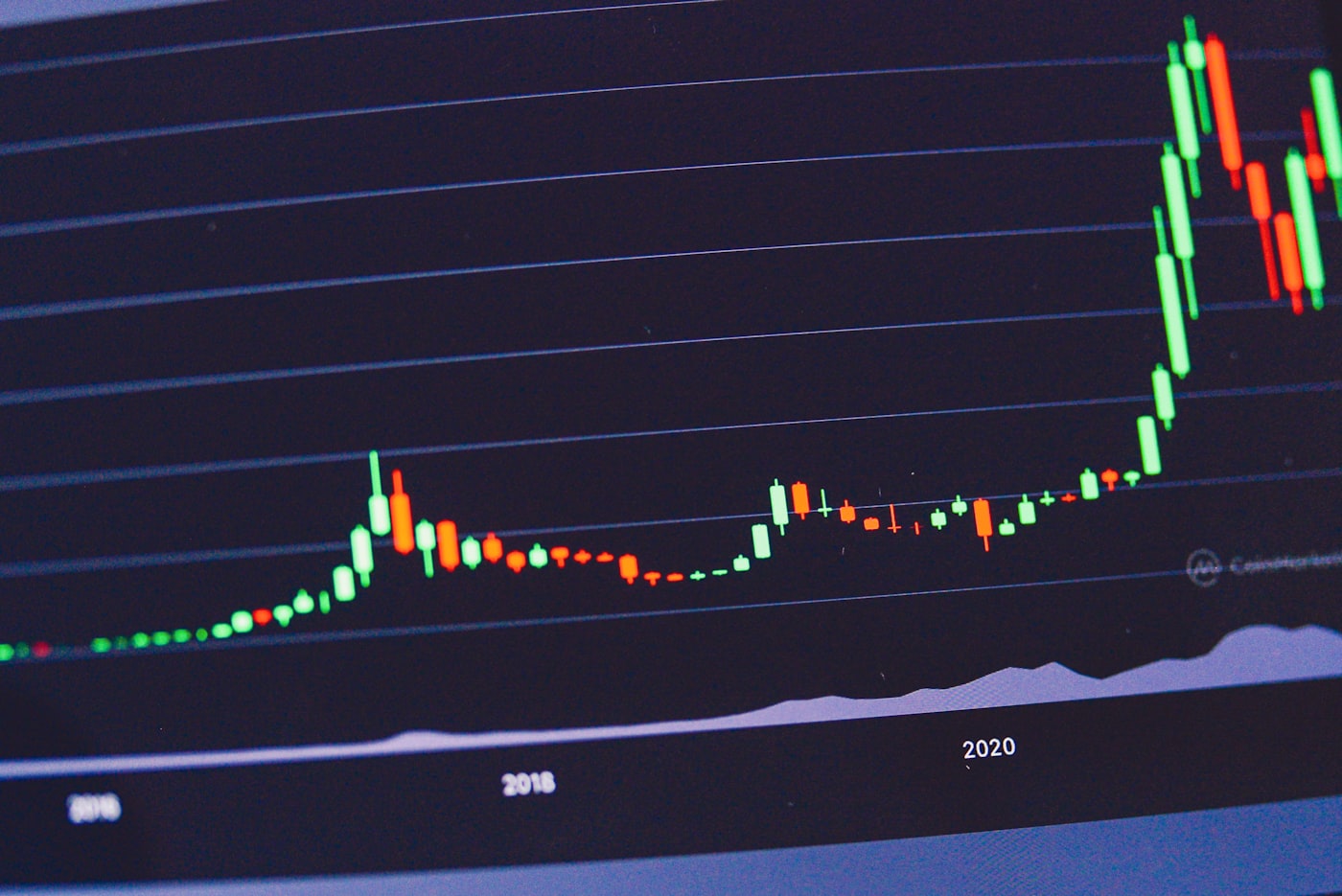
CamelCamelCamel started tracking Amazon prices in 2026. It did not start as a research project. It started as a browser bookmarklet built by a developer who wanted to know whether a price had been higher before.
That is a remarkably simple motivation for a service that now tracks hundreds of millions of products and has accumulated one of the most complete records of how online retail prices move over time. The patterns visible in that data are interesting not because price tracking is interesting in the abstract, but because the patterns themselves are often surprising.
The Cycles That Emerge
The most counterintuitive finding from long-run price history data is that most products are on sale for more days per year than they are at their "regular" price. Retailers, particularly on Amazon, use artificial list prices as anchors: the regular price is the reference point against which a sale is measured, rather than the price customers typically pay. Price history trackers make this visible: what looks like a 30% discount on a given day turns out to be the standard price, with the "regular" price being a fiction maintained to make the discount appear larger.
Competitor price analysis teams that understand this discount structure work differently from those that do not. A competitor showing a significant price cut may simply be cycling back to its normal selling price after a period at the artificial list price. Whether to respond depends on which interpretation is correct, and without price history, the two look identical.
The seasonal patterns in price history data are also more pronounced than most retailers expect. Consumer electronics prices in November and December follow remarkably consistent trajectories year over year, with predictable inflection points around major retail events. Category-specific cycles follow similar patterns: home appliances around January and July, outdoor goods in March and September. The regularity is striking enough that buyers who track it can plan purchases with reasonable accuracy.
Why B2B Price History Is a Different Beast
Consumer price trackers like CamelCamelCamel solve a consumer problem: knowing whether the price you are about to pay is reasonable given its history. The B2B equivalent is different in almost every dimension.
B2B pricing is often not public. Quote-based pricing, relationship pricing, and contract terms mean that the "price" visible on a supplier's website may be a list price that nobody actually pays. The discount structure is private by design, which makes historical tracking from public sources incomplete.
For the portions of B2B pricing that are public, distributor price lists, published rate cards and standard component pricing from industrial suppliers, web scraping for market research tools can build price history databases. But the methodology requires consistent, regular collection. A snapshot taken today is only useful as history if you also have the snapshots from last month and last quarter.
This is where the infrastructure difference between consumer and B2B price tracking becomes significant. Consumer trackers run automated collection against the same large platforms continuously. B2B price tracking from diverse supplier sites requires custom collection logic and ongoing maintenance as supplier sites change.
Context, Not Prediction: What the Data Is Good For
Some price patterns are highly predictable. Seasonal cycles in consumer electronics follow consistent enough rhythms that acting on them produces measurable savings. Amazon's algorithmic repricing creates micro-fluctuations around a mean that is itself cyclical.
Other price patterns are not predictive in useful ways. Component prices are driven by supply chain events, a factory fire, a shipping backlog, a commodity price spike, that are not visible in the price history data itself. The history shows the effect. Without the cause, the history does not tell you when the effect will repeat.
The more honest framing for price history data is context, not prediction. Knowing that a supplier's current price is 15% above their average over the past six months is useful context in a supplier negotiation, regardless of whether that elevation will persist. Knowing that a competitor has been gradually raising prices over the past year provides useful context for positioning decisions. Knowing that a product category has seen consistent margin compression over time is useful context for a business case.
What Changed, and Whether That's Normal
Price monitoring software platforms that offer historical views are providing context alongside their real-time monitoring function. The two serve different decisions. Monitoring answers: has something changed? History answers: is the current situation normal?
Retail price intelligence teams that combine both, tracking current prices and maintaining historical records, have more to work with than teams using either in isolation. The current price tells you where competitors are now. The history tells you whether they are likely to hold that position.
For on-demand price context, SiteScoop handles the current-state extraction. Navigate to the product page or catalogue. The tool extracts the current prices in a structured format. Combined with records from previous extractions, the history builds up in your spreadsheet over time, without requiring dedicated price history infrastructure.