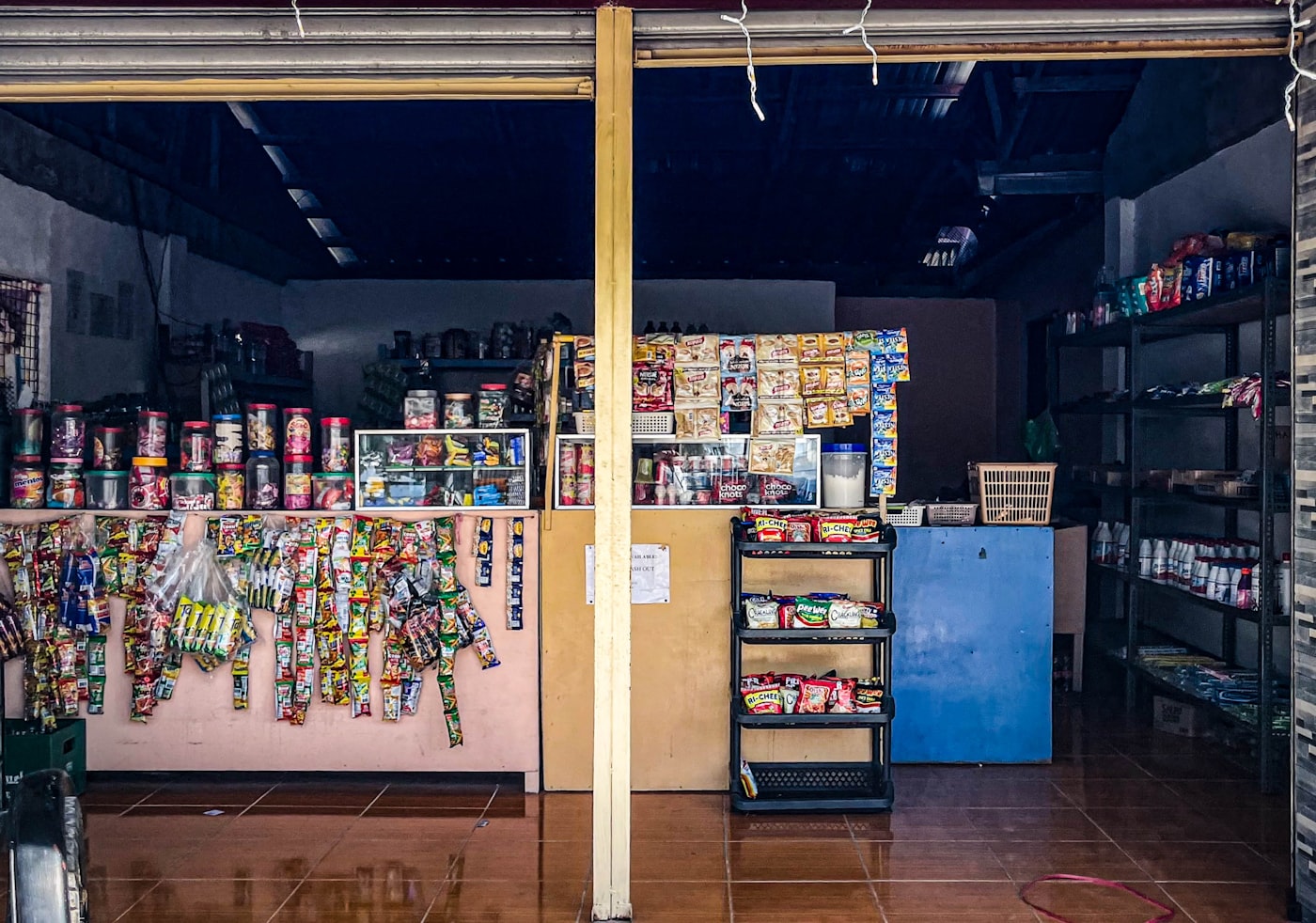
Price matching is a retail promise: if you find it cheaper elsewhere, we will match the price. It is also, for retailers who take it seriously, a significant operational challenge. Honouring that promise consistently requires knowing, in close to real time, what competitors are actually charging.
Price matching software exists to solve the data collection side of that problem. Whether the matching itself makes commercial sense is a different question entirely.
The Customer at the Register, and the Algorithm Behind the Scenes
Consumer-facing price matching - the guarantee printed at the checkout that a retailer will match a lower price a customer finds - is the version most people are familiar with. The retailer's staff or system verifies the competitor's price and adjusts.
The customer holding up a printed ad at the checkout is not making a spontaneous discovery. They printed it that morning, specifically for this visit. Retail staff are aware of this. The process continues anyway, because the alternative is losing the sale.
The operational version of price matching is less visible but more commercially significant. A retailer monitoring competitor prices and adjusting their own prices in response - without waiting for a customer to ask - is doing price matching in a systematic rather than reactive way. This is what price monitoring software and dynamic pricing software are built to support: continuous comparison followed by structured repricing.
Most of what is sold as "price matching software" sits somewhere between these two versions, providing the data infrastructure for comparison while leaving the repricing decision to humans or connected repricing systems.
The Hard Part: Matching Products, Not Just Prices
The core function is competitive price monitoring - extracting prices from competitor websites and marketplaces and presenting them alongside your own prices for the same or equivalent products.
Product matching is the hard part. Price comparison is straightforward once you know you are comparing equivalent items. Establishing equivalence - that a competitor's listing for a product with a similar name is actually the same item - requires either exact identifier matching (GTIN, EAN, UPC, ASIN) or fuzzy matching based on product attributes. For retailers selling branded products with clear identifiers, this is relatively tractable. For retailers selling unbranded or private-label products, it is harder.
The data extraction layer handles the collection from competitor pages: scraping product and price data from retailer websites, marketplace listings, and Google Shopping. The challenges here are the standard ones for any retail price monitoring - JavaScript-rendered prices, dynamic content, rate limiting, and site structure changes.
The comparison and presentation layer assembles the results into a format that shows your price, competitor prices for matched items, and the gap. Some platforms integrate directly with repricing systems and can trigger automatic price changes based on rules - match the cheapest, maintain position within a specified range, never go below cost.
When Matching Makes Sense, and When It Erodes the Point
Not all retailers should price match, and price matching software does not settle this question.
Retailers whose competitive advantage is price have good reason to monitor and match aggressively. Retailers whose competitive advantage is service, expertise, or brand are often better served by maintaining margin and explaining the value difference. Price matching in the latter case can erode the positioning that justified the premium in the first place.
The retailers most likely to benefit from systematic price matching are those competing in markets where products are highly commoditised, price comparison is easy, and customers demonstrably switch on price. Consumer electronics, commodity household goods, and standard office supplies fit this profile. Specialised equipment, craft products, and anything where service and expertise matter tend to be less price-sensitive.
Retail price intelligence platforms often position price matching as part of a broader competitive analysis capability. The data that shows where you are priced relative to competitors also shows where competitors are positioned relative to each other, which segments of the market are being contested aggressively, and where price gaps exist that might represent opportunities.
The Spreadsheet Version
Enterprise price matching platforms - those with real-time monitoring, automatic repricing, and full marketplace coverage - are built for and priced for large retailers. A retailer with 50,000 SKUs and a dedicated pricing team can justify the investment. A retailer with 500 SKUs and a pricing spreadsheet usually cannot.
For retailers doing periodic competitive price checks - before a promotional period, before a seasonal buying decision, or for a specific category review - no-code web scraping tools handle the data collection. Navigate to a competitor's category or product page, extract the pricing data into a structured format, compare in a spreadsheet.
SiteScoop covers this use case. Navigate to the competitor's page. The tool extracts names and prices from the repeating product structure. The matching and comparison happen in the spreadsheet, where the pricing decision can be made with full context.